

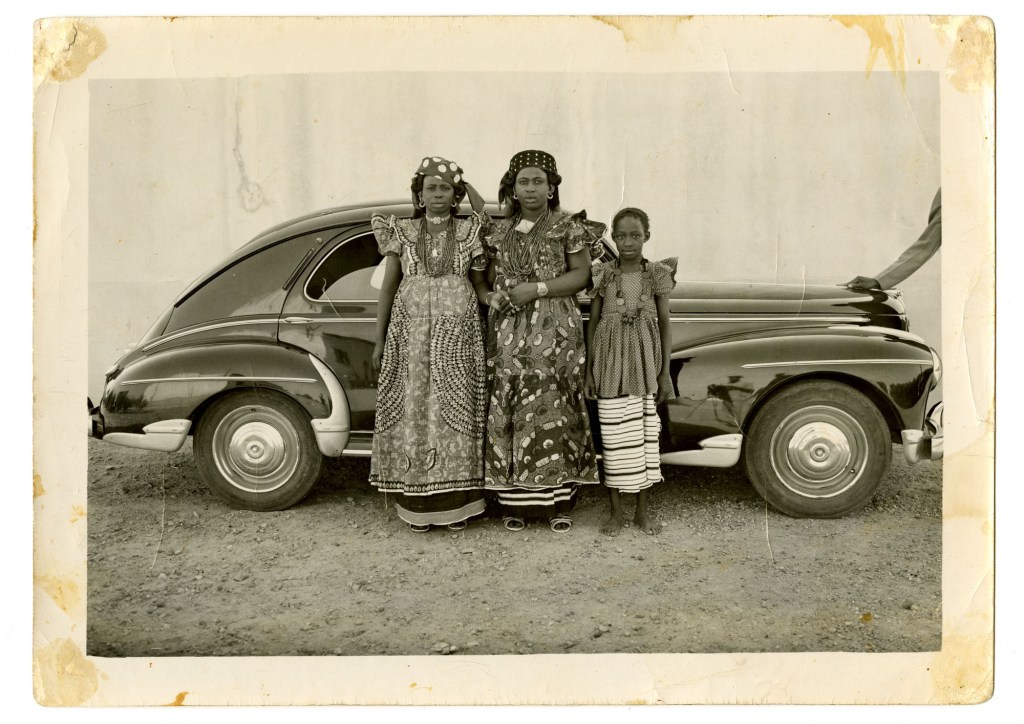
BROOKLYN, New York — The Brooklyn Museum will open its doors on 10 October to a groundbreaking exhibition, Seydou Keïta: A Tactile Lens, celebrating the work of the renowned Malian portrait photographer. The most expansive North American exhibition of Keïta’s work to date, it features nearly 275 pieces, including iconic prints, previously unseen portraits, and personal artifacts from his life. The exhibition is enriched by unique insights provided by the photographer’s own family.

The exhibition promises a fresh perspective on Keïta’s pioneering vision, which captured the vibrant, cosmopolitan life of Bamako, Mali, during a period of profound political and social change. Curated by guest curator Catherine E. McKinley and Imani Williford, curatorial assistant, the show will feature nearly 275 works, including a remarkable collection of renowned portraits, rare images, and never-before-seen negatives. It will also offer an immersive experience with an installation of textiles, jewelry, garments, and personal items from Keïta’s studio.
Born around 1921, Seydou Keïta was largely self-taught, receiving his first camera at age 14. He apprenticed with his mentor, Mountaga Dembélé, before opening his own studio in Bamako in 1948. His studio quickly became a destination for Malians from all walks of life, from the city’s elite to travelers passing through on the Dakar-Niger railroad. Keïta documented a critical chapter in West African history, capturing a society on the cusp of independence with a keen eye for lighting and composition.
Keïta’s work is celebrated for its unique ability to reveal the self-expression of his sitters. In collaboration with his subjects, he would sculpt their poses, clothing, and style to create portraits that honored their identity and spirit. These photographs became a form of modernist expression, showcasing the individuality and aspirations of a nation in transition.
“Mali’s relatively late start in photography turned out to be a blessing, allowing its photographic culture to develop with greater freedom from the colonial conventions that defined Senegal’s numerous, more formal studios,” writes Kobby Ankomah Graham in Aperture. “Keïta was arguably the first Malian photographer to fully embrace this freedom.”
Despite his local fame, Keïta’s work remained largely unknown to Western audiences until the early 1990s. When his images were first exhibited in New York in 1991, they drew unprecedented attention, forever changing the global cultural landscape. His engaging portraits cemented his legacy as a peer to celebrated Western photographers like Irving Penn, August Sander and Richard Avedon.
“Thirty-four years since Keïta was first introduced to American audiences we have an opportunity to view new discoveries in his work and understand just how singular he was, practicing at one of the most pivotal moments in African and world history,” said Catherine E. McKinley.
Pauline Vermare, Phillip and Edith Leonian curator of photography, added, “It is very exciting and deeply moving to rediscover Keïta’s work and to feel the presence of his sitters — some of whom we meet here for the very first time.”
The exhibition at the Brooklyn Museum promises to highlight the breadth of Keïta’s artistry, demonstrating his profound ability to capture not just images, but the very “tactile qualities” of his sitters’ lives and stories.
Exhibit: Seydou Keïta: A Tactile Lens, Brooklyn Museum, 10 October 2025 through 8 March 2026.



Discover more from Fotophile.com
Subscribe to get the latest posts sent to your email.


